
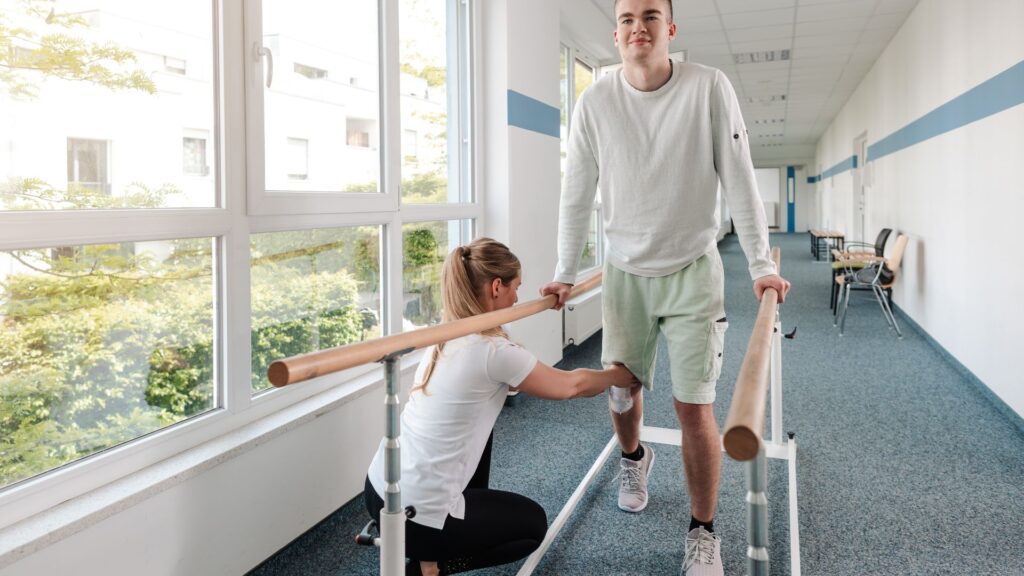

Sports injuries
Genetics and sports injuries. Injuries are a major concern for athletes, as they are susceptible to them regardless of the sport they practice. The media often reports that certain sports figures repeatedly suffer the same injury, but why does this happen?
The truth is that the type of sport we practice, the level at which we do so, our physiology, and our habits all influence the likelihood of suffering an injury. It's also true that we are all marked by our genetics, which plays a crucial role in our predisposition to certain injuries. However, the good news is that, by understanding our genetics, we can modify our training routines and keep our risk of injury under control. This isn't just a concern for elite athletes; it's a risk that can affect anyone, since almost everyone, to a greater or lesser extent, exercises, whether by going to the gym or playing a sport for leisure. Furthermore, we can also suffer injuries in our daily lives.
With a simple saliva sample, we can discover if we are prone to certain muscle injuries, knee problems, tendon and ligament injuries, or even bone fractures. This allows us to create personalized training plans to help strengthen these areas and minimize risks. For example, someone more predisposed to Achilles tendon ruptures can benefit from specific exercises such as heel raises, balance exercises, or calf stretches to help tone the tendon.
Genetics and sport
These types of tests also help determine which sports are most suitable for us, or conversely, which ones we should avoid. If your genetics indicate an increased risk of shoulder dislocation, it's best to avoid certain sports like rugby, boxing, or tennis, where this part of the body plays a crucial role and is highly susceptible to injury. These types of injuries are particularly uncomfortable because they require complete immobilization of the shoulder using a sling, which disrupts our normal daily routines [1].
Another similar injury, which not only causes pain but also discomfort, is the rupture of the anterior cruciate ligament, very common in high-impact sports, such as American football or basketball; sports that involve jumping, such as skiing or artistic gymnastics; or sports in which sudden changes of direction are made, such as handball or futsal [2].
This injury usually requires surgery and a very long recovery period (generally between 6 and 8 months), coupled with the inability to move the knee. During this process, athletic performance is completely lost, and weight gain due to inactivity and muscle loss are common. However, there's no need to panic; genetics is not the determining factor, it only indicates a predisposition. By following a good training routine tailored to individual needs, it's possible to practice these sports without being destined to suffer an injury.
Muscle injuries
Our sports genetic test It includes extensive information on the risk of certain injuries, including sports-related muscle injuries, which are the most common in all sports and encompass bruises, strains, sprains, and muscle fiber tears. These injuries are not necessarily serious, but they can lead to a period of absence from sports and the need for rest.
When these injuries occur frequently, and especially if not treated properly, they can cause further damage to the affected area, leading to weakening and, consequently, an increase in the frequency of such injuries, even becoming chronic. This can take a toll not only on the physical health but also on the mental health of those who suffer from them. When the condition worsens, the help of a physiotherapist, osteopathic treatments, and even, in some cases, surgery may be necessary [3], which can sometimes represent an investment not only of time but also of money.
Meniscus tear
Another example is the risk of a meniscus tear, which is very common in both athletes and non-athletes, as it can occur with a bad fall or a strong impact to the knee. If there is a predisposition to this condition, it is advisable to avoid certain sports, such as those with direct impact on the knees, including the long jump, or sports that place excessive stress on the knees, such as weightlifting or long-distance running on hard surfaces, or at least to perform them with caution. A meniscus tear is a painful injury, but depending on the severity, it is possible to live with it, as some people can continue their normal lives without putting significant strain on their knees [4].
If someone wants a lifestyle free of discomfort and limitations, surgery and rehabilitation are common. This process can be influenced not only by factors such as the outcome of the surgery, the condition of the joint, the patient's physical fitness, and age, but also by genetics. There is a correlation between genetics and the recovery process following meniscus surgery. Specifically, studies confirm that a variation in the GDF5 gene influences the recovery process and the achievement of greater knee stability after surgery.
Optimize your sports practice with Zogen
Our tests provide information about predispositions to sports injuries, but also offer complementary information to help prevent injuries through a diet tailored to your genetics. For example, to avoid bone fractures, a diet rich in calcium and vitamins like vitamin D is recommended. Therefore, when it comes to injury prevention, a thorough assessment of genetic predispositions is advisable, as it will not only help you enjoy sports more, but also allow you to do so in a healthier and more beneficial way.
Genetic testing?
Genetics not only defines us, but also guides us in improving our health and preventing injuries during exercise. That's why it's vital to understand our bodies to avoid pain, discomfort, and frustration.
From Zogen, we encourage you to take our sports test where you can find information about your genetic predisposition to cruciate ligament rupture or skeletal muscle inflammation, among many other injuries, as well as much more valuable information for sports enthusiasts, such as types of training, predisposition to certain abilities, and the influence of sports practice on various biomarkers or heart function. And with our nutrition test You can complement your improved training with a diet tailored to your needs. Zogen helps you understand your genetics to achieve new goals and avoid obstacles on the road to victory.
Source: https://24genetics.es/genetica-y-lesiones-deportivas/
Literature
[1] Dislocated shoulder: MedlinePlus in Spanish (no date) MedlinePlus. Available at: https://medlineplus.gov/spanish/dislocatedshoulder.html.
[2] Anterior Cruciate Ligament (ACL) Injury: MedlinePlus Medical Encyclopedia (no date) MedlinePlus. Available at: https://medlineplus.gov/spanish/ency/article/001074.htm.
[3] Sports muscle injuries (no date) O BURGO CLINIC GROUP. Available at: https://www.clinicaoburgo.es/lesiones-musculares-deportivas/.
[4] Post-Treatment Care – Meniscus Tears: MedlinePlus Medical Encyclopedia (no date) MedlinePlus. Available at: https://medlineplus.gov/spanish/ency/patientinstructions/000684.htm.