

What is celiac disease?
Celiac disease is a chronic autoimmune disorder that affects the digestive system. It is characterized by an intolerance to gluten, a protein found in wheat, barley, rye, and crosses between these grains. Genetic factors can play a role in developing celiac disease.
When a person with celiac disease consumes gluten, their immune system reacts abnormally and attacks the lining of the small intestine, which can cause damage to the intestinal mucosa and make it difficult to absorb nutrients (Caio et al., 2019).
Throughout this post, we will study this pathology in depth: symptoms, risk factors and treatment, as well as the relationship between celiac disease and genetics and the possibility of performing DNA tests to detect the genetic predisposition to celiac disease.
Symptoms
The symptoms experienced by celiac patients are caused by the progressive damage to the lining of the small intestine from gluten consumption, which impairs the proper absorption of certain nutrients and leads to diarrhea, weight loss, anemia, abdominal bloating, or fatigue. However, the symptoms are very nonspecific, so approximately 20-50% of celiac patients have symptoms consistent with irritable bowel syndrome. (J. & P., Celiac disease: Review 2015). This is why genetic testing for celiac disease is so important to improve its diagnosis.
There is a classification of different types of celiac disease based on the different symptoms that patients with this disease may present:
- Asymptomatic celiac diseaseIt is diagnosed both by serology and by biopsy in patients without symptoms.
- Classic celiac diseaseThey present symptoms of intestinal malabsorption such as diarrhea, hypoalbuminemia, or steatorrhea.
- Non-classical celiac diseasePatients who present with extraintestinal symptoms such as iron deficiency anemia, osteopenia, arthritis, or oral ulcers, among others
- Symptomatic celiac disease: patients who present with both gastrointestinal and extraintestinal symptoms.
- Potential celiac disease: patients who present with a positive serology, but when performing a biopsy of the small intestine, no histological alterations are found.
World figures
The incidence of 1% in Europe and the US has increased dramatically in recent years. This increase is largely due to the greater availability of highly sensitive and specific diagnostic serological screening tests, along with the discovery of specific antibodies for this condition. However, for every diagnosed case, there are still seven undiagnosed cases. Furthermore, several studies have suggested that globalization, coupled with the spread of extreme versions of the Mediterranean diet, which include excessive amounts of gluten (up to 20 g/day), may have triggered an increase in this disease. (de Lorgeril & Salen, 2014; Volta et al., 2013).
Although serological diagnoses are performed nowadays, they should always be confirmed with a biopsy.
As mentioned previously, it is a growing condition, diagnosed in both children and adults, and it disproportionately affects people with pre-existing conditions such as diabetes. This poses a significant problem because many gluten-free products sold today cause a substantial increase in blood glucose levels. Furthermore, the incidence has increased up to 6.5 times since 1990. (de la Calle et al., 2020), being more prevalent in women than in men in a ratio of 2:1. (Prevalence-Celiac Disease2019).
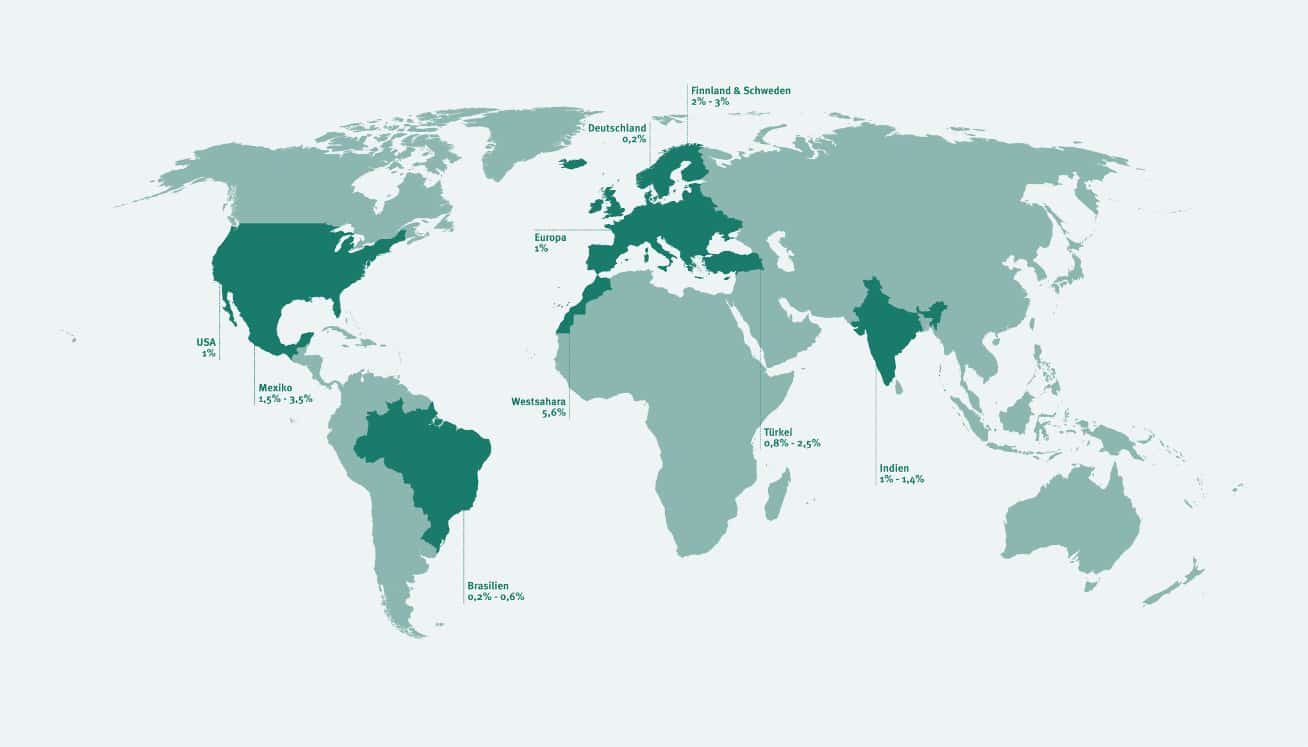
Fig 1. Worldwide prevalence of celiac disease (Prevalence-Celiac Disease 2019)
Causes and risk factors
Celiac disease is a complex disease, which means that it is influenced by multiple genetic variants, as well as the environment in which the individual lives.
Regarding the celiac-genetic relationship, a high heritability rate has been observed (between 10 and 15%), related in most cases to the presence of certain genes with immune functions, such as CD80, ICOSLG and ZMIZ1, thus triggering autoimmune reactions. (Caio et al., 2019)
Regarding environmental factors, gluten stands out as the main trigger, since our current diet has a high content of this protein, which consists of non-digestible immunogenic peptides. These peptides resist the action of enzymes in the gastrointestinal tract and trigger an immune response in the body. Therefore, excessive consumption of this nutrient can, over time, lead to the development of celiac disease.
Other environmental factors to consider include gastrointestinal infections, prolonged use of antibiotics and proton pump inhibitors, or overpopulation of Helicobacter pylori (de la Calle et al., 2020), among others.
Prevention and treatment
There is what is known as secondary prevention, which consists of performing diagnostic tests to detect the disease at an early stage and thus remove gluten from the diet when the damage to the body has not yet been severe.Meijer et al., 2018)
In recent years, research has been conducted on the possibility of carrying out primary prevention based on a near-total reduction of gluten intake, but the impact of removing this nutrient from our diet has been seen, and the disadvantages outweigh the possible advantages.
Once a patient is diagnosed with celiac disease, gluten is completely removed from their diet. People usually begin to notice an improvement in their symptoms after about a week of starting the diet. (Lebwohl et al., 2018)
However, it is estimated that around 1% in celiac patients do not respond well to treatment, either because they do not follow a strictly gluten-free diet or because they suffer from some type of intestinal disorder that prevents them from improving despite not consuming gluten. This resistance to treatment can lead to complications such as malnutrition or even T-cell lymphoma, as it has a close relationship with this digestive disease. In these cases, additional treatments are offered to try to alleviate the disease.
Zogen and celiac disease
Celiac disease is mostly a genetic disease, so it is very important to know the presence of certain genetic variants in our DNA associated with a higher risk of suffering from the disease.
Patients who discover they have a greater genetic predisposition to celiac disease can undergo diagnostic tests to confirm whether they have the disease, since, as mentioned earlier, a large population suffering from this disease is unaware of it, so intestinal damage can occur silently, which can be dangerous over time.
Given that diet is directly related to this condition, it is important to understand nutrigenetics, which is defined as the science that studies how our body reacts to different nutrients according to our genotype. At Zogen, this is carried out. genetic test Nutrition and Sport, which can be of great help in determining each individual's predisposition to the disease.
Literature
Prevalence-Celiac Disease (2019) Dr. Schär Institute. Available at: https://www.drschaer.com/es/institute/a/prevalencia-celiaquia (Accessed: April 26, 2023).
J., FELIPEMOSCOSO and P., RODRIGOQUERA (2015) “Celiac disease: Review,” Las Condes Clinical Medical Journal, 26(5), pp. 613–627. Available at: https://doi.org/10.1016/j.rmclc.2015.09.007.
Caio, G., Volta, U., Sapone, A., Leffler, D.A., De Giorgio, R., Catassi, C., & Fasano, A. (2019). Celiac disease: A comprehensive current review. in BMC Medicine (Vol. 17, Issue 1). BioMed Central Ltd. https://doi.org/10.1186/s12916-019-1380-z
de la Calle, I., Ros, G., Peñalver Miras, R., & Nieto, G. (2020). Celiac disease: causes, pathology, and nutritional assessment of gluten-free diet. A review. Hospital Nutrition. https://doi.org/10.20960/nh.02913
de Lorgeril, M., & Salen, P. (2014). Gluten and wheat intolerance today: are modern wheat strains involved? International Journal of Food Sciences and Nutrition, 65(5), 577–581. https://doi.org/10.3109/09637486.2014.886185
Dubois, PCA, Trynka, G., Franke, L., Hunt, KA, Romanos, J., Curtotti, A., Zhernakova, A., Heap, GAR, Ádány, R., Aromaa, A., Bardella, MT, van den Berg, LH, Bockett, NA, de la Concha, EG, Dema, B., Fehrmann, RSN, Fernández-Arquero, M., Fiatal, S., Grandone, E., … van Heel, DA (2010). Multiple common variants for celiac disease influencing immune gene expression. Nature Genetics, 42(4), 295–302. https://doi.org/10.1038/ng.543
Lebwohl, B., Sanders, D.S., & Green, P.H.R. (2018). Coeliac disease. The Lancet, 391(10115), 70–81. https://doi.org/10.1016/S0140-6736(17)31796-8
Meijer, C., Shamir, R., Szajewska, H., & Mearin, L. (2018). Celiac Disease Prevention. Frontiers in Pediatrics, 6. https://doi.org/10.3389/fped.2018.00368
Volta, U., Caio, G., Tovoli, F., & De Giorgio, R. (2013). Non-celiac gluten sensitivity: questions still to be answered despite increasing awareness. Cellular & Molecular Immunology, 10(5), 383–392. https://doi.org/10.1038/cmi.2013.28
Source: https://24genetics.es/influencia-genetica-celiaquia/