
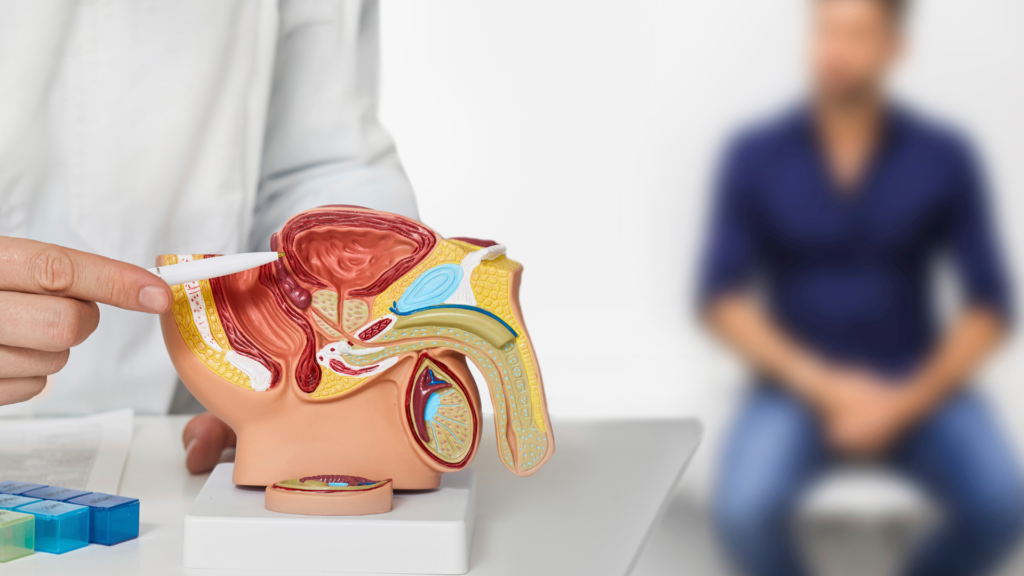

November not only marks the start of the festive season, but also brings with it a global initiative known as Movember, Dedicated to raising awareness about men's health, particularly prostate cancer, this campaign encourages men to grow mustaches for a month to spark conversation and raise funds for research and prevention of diseases that affect men.
On the other hand, the prostate cancer It is the second most common type of cancer in men worldwide, according to the American Cancer Society. Movember invites us to reflect on the importance of prevention and early detection of this cancer, which can be highly treatable if identified in time.
What is prostate cancer?
Prostate cancer is a disease in which malignant cells form in the tissues of the prostate, a walnut-sized gland located below the bladder and in front of the rectum in men. This gland is part of the male reproductive system and its main function is to produce the fluid that carries and nourishes sperm in semen.
Characteristics of Prostate Cancer
- Slow progression: In many cases, prostate cancer progresses slowly and may not present symptoms for years, especially in its early stages.
- Risk factors: Advanced age, a family history of prostate cancer, ethnicity (it is more common in African-American men), and certain genetic mutations increase the risk.
- Typology: It can be classified as localized prostate cancer (limited to the prostate) or advanced (which has spread to other parts of the body).
Symptoms and Warning Signs
The symptoms of prostate cancer They may vary, but it is important to pay attention to the following warning signs:
- Difficulty urinating or weak urine flow.
- Frequent need to urinate, especially at night.
- Pain or burning sensation when urinating.
- Blood in the urine or semen.
- Persistent pain in the lower back, hips, or pelvis.
It is crucial to understand that these symptoms do not always mean prostate cancer, but if you experience them, you should consult a doctor.
When should you go to the emergency room for prostate cancer symptoms?
If you experience severe difficulty urinating, intense pain in the pelvic area, or a urinary tract infection accompanied by fever, it's time to go to the emergency room. According to the National Cancer Institute, These could be signs of a serious problem that requires immediate medical attention.
Movember: A Call for Prevention
The movement Movember It reminds us that taking care of men's health is essential. This month, thousands of men are joining the commitment to get medical checkups and spread information about prostate cancer.
Preventive and Diagnostic Tools
He World Prostate Cancer Day, Held as part of Movember, the event also underscores the importance of preventative tools. At Zogen, we offer:
- Preventive genetic testing, such as Invitae: These tests identify inherited mutations that could increase your risk of developing prostate cancer.
- Advanced genomic tests, such as Tempus: Ideal for those who already have a diagnosis, these tests analyze the genetic profile of the cancer to personalize treatment and improve outcomes.
These tools not only help prevent cancer, but also empower patients and their doctors to make more informed decisions.
Movember and Prostate Cancer: Act Today
Movember and prostate cancer They are intrinsically linked to a message of hope and action. This month is the perfect time to get checked, learn about your family history, and consider genetic and genomic testing that can make a difference in your health.
At Zogen, we are committed to your well-being. Whether you are in the prevention stage or already facing a diagnosis, our solutions are designed to support you every step of the way., contact us.
Sources:
- American Cancer Society (https://www.cancer.org)
- National Cancer Institute (https://www.cancer.gov)