


What is lung cancer?
Let's talk about lung cancer. It consists of the uncontrolled multiplication of malignant cells in the lung epithelium. It usually begins in these organs and can spread to different parts of the respiratory system, even reaching the lymph nodes or other organs, such as the brain. [1]
There are two types of lung cancer [2]:
Non-small cell carcinoma:
This is the most common type, representing 85% of all cases. It is further divided into three subtypes, which are as follows:
- Adenocarcinoma: the most common cancer in people who have never smoked. It originates in the cells that produce mucus in the airways and is usually more common in women than in men.
- Squamous cell carcinoma: This type of carcinoma occurs in the flat cells that line the airways. It is associated with smoking and tends to appear as a mass in the center of the lung.
- Large cell carcinoma: It stands out because it can appear anywhere in the lung and because of the rapid growth of the tumor, which causes it to tend to spread in a much shorter time.
Small cell carcinoma:
It is less common but more aggressive, and is strongly linked to tobacco use. It is usually detected in advanced stages, so in many cases metastasis has already occurred.
Symptoms of lung cancer
Symptoms can vary depending on the individual and the stage of the disease, but the most common are persistent cough, sometimes with blood or sputum, chest pain, difficulty breathing, persistent tiredness, weight loss, wheezing and hoarseness [3].
In some cases, patients have also been observed to repeatedly experience crises of pneumonia, bronchitis, or inflammation of the lymph nodes located between the lungs.
In addition, in more advanced stages, when the cancer has spread to other parts of the body, bone pain, alterations in the nervous system (triggering headaches, numbness in the extremities or balance problems), jaundice, or swelling of the lymph nodes, especially those in the neck, may occur.
It has been observed that lung cancer can sometimes trigger the onset of certain syndromes, which are associated with specific symptoms. These syndromes are as follows [3]:
- Horner's syndromeIt affects the nerves of the eyes and face, causing drooping of the eyelid, heterogeneity in the size of one pupil compared to the other, and loss of perspiration on one side of the face.
- Superior vena cava syndromeThis vein is located near the right lung, so tumors in that area can put pressure on the vein and cause blood retention in that area, causing headaches, dizziness, or swelling of the neck and face.
Global figures on lung cancer
Currently, this type of cancer is the second most common in the world after breast cancer (Figure 1) and the one with the highest mortality rate worldwide (Figure 2). Approximately 2.2 million new cases of this disease are diagnosed annually [4] and about 1.8 million deaths occur each year
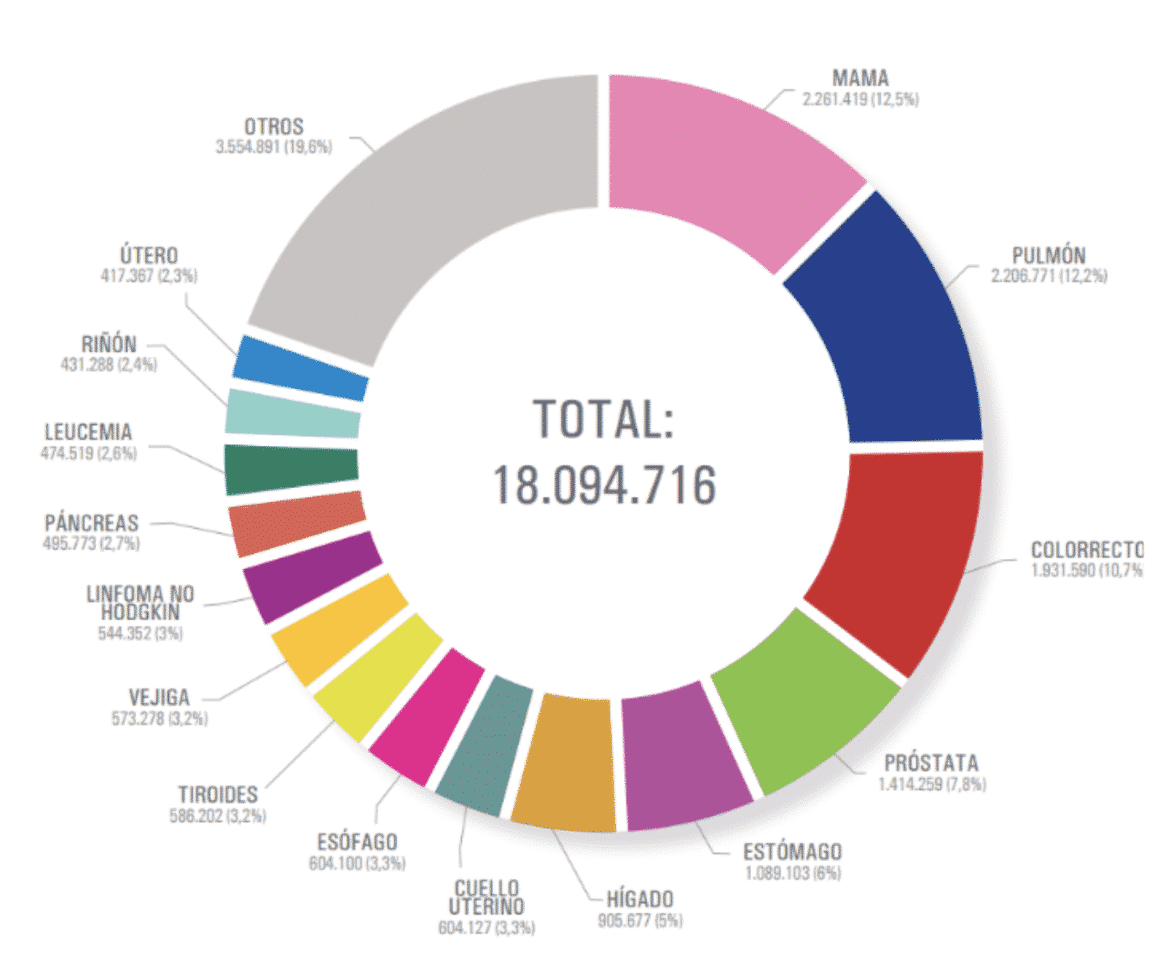
Figure 1: Global prevalence of cancer in 2020. Source:https://gco.iarc.fr/

Figure 2: Cancer mortality worldwide 2020. Source:https://gco.iarc.fr/
Since records of this disease have been kept, it has been known that it is much more prevalent in men than in women. However, in recent years there has been a decrease in lung cancer cases in men, while in women it has increased, which may be related to changes in social habits over the last few decades. Despite this, it remains a more prevalent disease in men (Figure 3).

Figure 3: Temporal evolution of lung cancer mortality in Spain, by sex. Source: https://gco.iarc.fr/
Causes and/or risk factors
The leading cause of lung cancer is smoking, as approximately 80% of cases are related to this habit, including secondhand smoke. However, other risk factors include exposure to air pollution; exposure to carcinogens such as asbestos or radon; lung infections such as pneumonia or tuberculosis; HIV infection; use of beta-carotene supplements in heavy smokers; and a family history of the disease.
Furthermore, there is growing evidence linking lung cancer to... oral microbiota. For example, an increase in the concentration of bacteria of the genus Streptococcus, along with other changes in the oral microbiota (state of dysbiosis or bacterial imbalance), are associated with this type of cancer [2, 5].
Cancer prevention and treatment
Given the health risks associated with prolonged exposure to harmful substances, and particularly tobacco use, it can be stated that the best way to prevent this disease is to not smoke and to reduce exposure to agents that could trigger a malignant tumor in the long term. Furthermore, medical monitoring is recommended for individuals with a family history of this condition [5].
Because there are different types of lung cancer, there are also different treatments for each type. People with non-small cell lung cancer can be treated with various therapies, including surgery, chemotherapy, radiation therapy, targeted therapy (using drugs to block tumor growth and spread), or a combination of these. However, patients diagnosed with small cell lung cancer usually receive only chemotherapy or radiation therapy [6].
Zogen and lung cancer
In collaboration with specialized laboratories, we are conducting in-depth research on the oral microbiota and its relationship with certain diseases, and we have recently been the first to discover that there is an association between certain imbalances in the oral microbiota and several diseases, including, specifically, lung cancer, although we have not yet demonstrated a causal relationship in that association.
As a result of that in-depth research, we have just launched an innovative microbiota test, This unique test, performed worldwide, analyzes the current state of your oral microbiota using a simple saliva sample, similar to our genetic tests. Now, you can gain insights into lung cancer by considering the balance of your gut microbiota.
In this way, with our test All in One Plus, Now you can get our 7 genetic reports and, in addition, your oral microbiota report.
Literature
[1] What is lung cancer? Centers for Disease Control and Prevention. Available at: https://www.cdc.gov/spanish/cancer/lung/basic_info/what-is-lung-cancer.htm#:~:text=El%20c%C3%A1ncer%20es%20una%20enfermedad,del%20cuerpo%2C%20como%20el%20cerebro.
[2] Zheng, M. (2016) 'Classification and pathology of Lung Cancer', Surgical Oncology Clinics of North America, 25(3), pp. 447–468. doi:10.1016/j.soc.2016.02.003.
[3] Signs and symptoms of lung cancer. American Cancer Society. Available at: https://www.cancer.org/es/cancer/tipos/cancer-de-pulmon/deteccion-diagnostico-clasificacion-por-etapas/senales-sintomas.html.
[4] The International Agency for Research on Cancer (IARC) Global cancer observatory, Global Cancer Observatory. Available at: https://gco.iarc.fr/.
[5] Lung Cancer Prevention. National Cancer Institute. Available at: https://www.cancer.gov/espanol/tipos/pulmon/paciente/prevencion-pulmon-pdq.
[6] ¿Cómo se diagnostica y se trata El Cáncer de Pulmón? Centers for Disease Control and Prevention. Available at: https://www.cdc.gov/spanish/cancer/lung/basic_info/diagnosis_treatment.htm#:~:text=se%20haya%20diseminado.-,Las%20personas%20con%20c%C3%A1ncer%20de%20pulm%C3%B3n%20de%20c%C3%A9lulas%20no%20peque%C3%B1as,general%20reciben%20radioterapia%20y%20quimioterapia.
Source: https://24genetics.es/cancer-de-pulmon-y-la-genetica/